How to Select the Right Butcher Bone Saw Blade for Maximum Yield and Efficiency
How to Select the Right Butcher Bone Saw Blade for Maximum Yield and Efficiency
In high-volume meat processing, the difference between profit and loss often comes down to the blade. A dull or improperly specified butcher bone saw blade does more than slow down production—it increases product waste, creates inconsistent cuts, and puts unnecessary strain on your equipment.
Whether you are breaking down frozen blocks, portioning bone-in primals, or processing fresh cuts for retail display, selecting the correct blade geometry and steel grade is critical. This guide breaks down the essential specifications to help you choose the right blade for your specific application.
Why the Right Butcher Bone Saw Blade Matters
Many operators mistakenly use a single blade specification for all tasks. However, cutting through dense frozen bone requires a fundamentally different approach than slicing fresh, bone-in product. Using a blade with the wrong tooth pitch (TPI) can lead to clogged gullets, broken teeth, and excessive meat “smear” or bone dust contamination .
A properly matched butcher bone saw blade ensures:
Higher Yield: Narrower kerf and precise tooth geometry reduce meat loss.
Longer Blade Life: Correct hardness and fatigue resistance prevent premature breakage.
Better Hygiene: Efficient tooth evacuation prevents bone dust from accumulating in the cut.
Key Specifications to Consider
When specifying a blade for your band saw, do not rely solely on machine model or length. You must confirm width, thickness, and tooth configuration.
1. Tooth Pitch (TPI): The 3 vs. 4 Rule
TPI (Teeth Per Inch) determines how the blade attacks the product.
3 TPI (Coarse Pitch):
This is the standard for heavy-duty work. The large gullets effectively clear bone dust and fat, making it ideal for frozen meat, large primal cuts, and heavy bone content (such as pork shoulders or beef quarters). If your operation runs high-throughput frozen product, 3 TPI is generally the most durable choice.
4 TPI (Fine Pitch):
This configuration offers a smoother cut and is better suited for fresh or chilled meat with light bone content. It provides more control for portioning smaller cuts where appearance and cut-face smoothness are critical .
2. Steel Material and Hardness
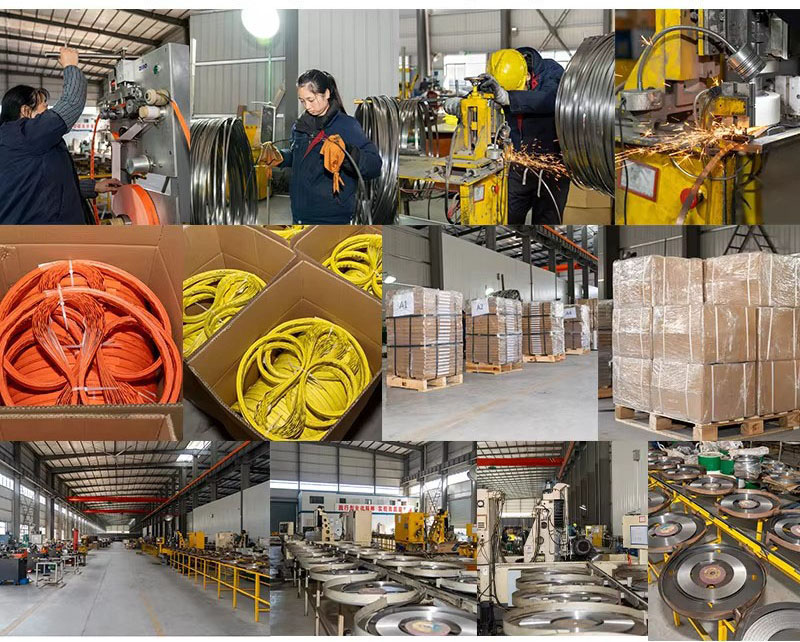
Our butcher bone saw blades are manufactured from high-quality alloy steel (such as SK5) or high-carbon steel. The manufacturing process involves precise heat treatment and high-frequency hardening of the tooth tips. This results in a blade that maintains excellent tooth rigidity while retaining the flexibility needed to run smoothly around the saw wheels without fatigue failure .
3. Width and Thickness
Common widths for butcher blades range from 16mm to 19mm (approximately 5/8” to 3/4”). Thicker blades (e.g., 0.56mm) provide greater beam strength for heavy cutting, while thinner blades (e.g., 0.36mm or 0.5mm) reduce material loss (kerf) and are suitable for smaller saws or delicate cuts . Always verify your machine’s approved specification before increasing blade thickness.
Application Guide: Matching the Blade to the Product
| Application |
Recommended TPI |
Key Benefit |
| Frozen Meat & Bone Blocks |
3 TPI |
Aggressive cutting; clears frozen swarf efficiently |
| Fresh Bone-In Primals (Pork/Beef) |
3–4 TPI |
Balance of speed and cut quality |
| Small Cuts / Portion Control |
4 TPI |
Smoother finish; reduced tearing of soft tissue |
| Fish & Poultry (Soft Bone) |
4–6 TPI |
Fine teeth prevent shredding; clean portioning |
Quality Assurance You Can Rely On
Our butcher bone saw blades undergo 100% inspection before delivery. We utilize advanced grinding and tooth-shaping processes to ensure consistent tooth set and sharpness. This means you can expect:
Immediate Sharpness: Precision-ground teeth bite into the product from the first cut.
Weld Integrity: Seamless welding prevents breakage at the joint, a common failure point in lower-quality blades.
Corrosion Resistance: Suitable for the damp environment of meat processing facilities .
Conclusion
Do not let an inferior blade dictate your production yield. By understanding the relationship between TPI, steel quality, and your specific product mix, you can optimize your cutting operation for both speed and profitability. For operators processing a diverse range of products, keeping both 3 TPI and 4 TPI blades on hand is often the most practical solution to handle everything from rock-hard frozen blocks to delicate fresh cuts.
Ready to optimize your cutting line?
Contact our sales team today to request a sample or discuss custom blade lengths for your specific band saw model.
For more product details related to Butcher Bone Saw Blade, please visit the website link: https://www.gdgwsteel.org/product/Industrial-Butcher-Bone-Saw-Blade.html